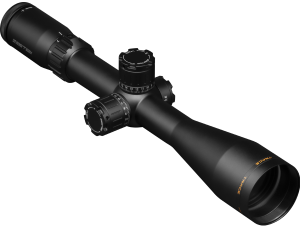
1. Introduction to Prism Scopes
- What is a Prism Scope?
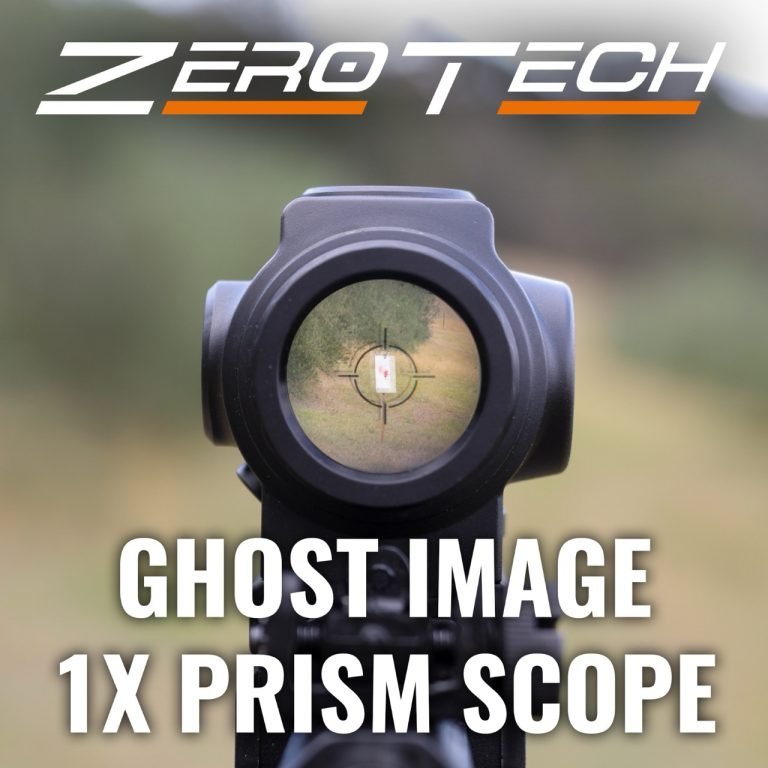
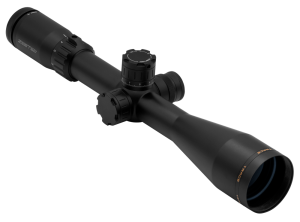
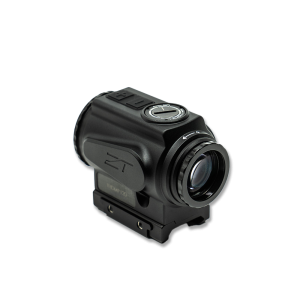
A prism scope is a type of firearm optic that utilizes a glass prism to focus the image, rather than the traditional series of lenses found in most scopes. This design makes prism scopes more compact and durable, while still delivering a clear and bright sight picture. They are often selected for short to medium-range shooting, offering features that bridge the gap between traditional scopes and red dot sights. One of the standout features of prism scopes is their etched reticles, which remain visible even without battery power—unlike red dot sights that rely on electronic projection. This ensures that your optic always remains functional, making it a reliable choice for various shooting scenarios.
A Legacy of Durability and Performance Despite being relatively new to some shooters, prism scopes have a long and venerated history, particularly in military use. The most iconic example is Trijicon’s Advanced Combat Optical Gunsight (ACOG), which has been a staple in the armed forces for decades. The ACOG has carved out a reputation as one of the most reliable and durable optics in the world, widely used by the United States Army, Marine Corps, and Air Force, as well as numerous foreign military and police units. The ACOG’s success is a testament to the durability and effectiveness of prism scopes in the most demanding environments. This history of military use underscores the robustness of prism scopes, making them a trusted choice not only for military applications but also for hunting and competitive shooting scenarios.
Why Prism Scopes are Gaining Popularity Building on the legacy of optics like the ACOG, prism scopes have gained popularity among civilian shooters who appreciate their compact size, rugged construction, and reliable performance. Whether you’re navigating dense brush on a hunt or needing a dependable optic in a dynamic environment, a prism scope offers the precision and durability you need. As shooters continue to seek out optics that combine the best features of traditional scopes and red dots, prism scopes have emerged as a go-to solution. They offer the versatility to excel in a variety of applications, making them an increasingly popular choice for those who demand high performance. In the sections that follow, we’ll explore how prism scopes work, the benefits they offer, and how to determine if they’re the right fit for your shooting needs.
2. How Prism Scopes Work
- How Does a Prism Scope Work?
Understanding the mechanics of a prism scope can help you appreciate its unique advantages over traditional scopes and red dot sights. While the technical details may seem a bit overwhelming, we’ll break it down into a simple explanation that highlights the key points.
The Basics of Light and Lenses In most traditional scopes, a series of lenses is used to magnify and focus the image you see through the optic. Light enters through the objective lens, passes through several internal lenses, and then reaches your eye through the ocular lens. This setup works well for creating a magnified image, but it often results in longer, bulkier optics.
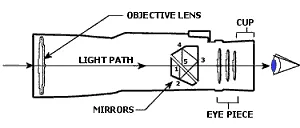
The Prism Advantage Prism scopes, as the name suggests, use a glass prism instead of a series of lenses to focus the light to create the sight picture. Here’s a simplified breakdown of how it works:
- Light Entry: Light enters the prism scope through the objective lens, just like in a traditional scope.
- Prism Refraction: Instead of passing through multiple lenses, the light hits a specially designed prism. The prism bends (or refracts) the light in a precise way that corrects the image and focuses it for your eye.
- Image Formation: The prism not only focuses the light but also corrects the orientation of the image, ensuring that what you see through the scope is right-side up and correctly aligned.
Etched Reticle: One of the standout features of prism scopes is the laser etched reticle. Unlike traditional red dots, which project an illuminated dot onto a lens, etched reticles are permanently engraved by a high precision laser directly onto the glass within the prism. This means the reticle is always visible, even if the battery fails, providing a reliable aiming point in all conditions. Finer and More Detailed Aiming: Another significant advantage of etched reticles is their ability to offer finer and more detailed aiming reference points compared to traditional red dots. This allows for better precision, especially at longer distances, where the placement of your shot can greatly benefit from a more intricate reticle design. Whether it’s a simple dot or a more detailed hold over/ drop compensation design, the etched reticle provides a consistent and clear aiming reference that can be illuminated when needed.
Exit to Eye: The focused light exits the prism and reaches your eye through the ocular lens, providing a clear, sharp image. Because the light is manipulated through a prism rather than a series of lenses, prism scopes tend to be more compact and robust.
Why Use a Prism? The use of a prism allows for a more compact design because it folds the light path within the optic. This makes prism scopes shorter and often more robust than traditional scopes. Additionally, the fixed nature of the prism setup means there are fewer moving parts, which generally increases the robustness of the optic. For shooters who require both precision and portability, such as those involved in tactical operations or hunting in rugged terrain, the compact size and solid construction of a prism scope can be a significant advantage.
Diagram of light path in prism
3. Benefits of 1x Prism Scopes
- What Are the Benefits of Using a Prism Scope?
1x Prism scopes have become increasingly popular among shooters for a variety of reasons, offering a unique blend of advantages that make them well-suited for both tactical and hunting applications. Below, we’ll explore the key benefits of using a prism scope and why they might be the right choice for your shooting needs.
Durability and Ruggedness One of the most significant benefits of prism scopes is their durability. Built with fewer moving parts and a solid construction, prism scopes are designed to withstand harsh environments and heavy use. The compact design, often made with robust materials, ensures that the optic can sustain recoil impulses and endure the rigors of field use. Whether you’re hunting in rugged terrain or engaging in tactical operations, a prism scope’s durability makes it a reliable companion.
Etched Reticle for Precision and Flexibility A standout feature of prism scopes is the etched reticle, which offers several advantages over traditional red dot sights:
Precision: Unlike the simple dot projected in red dot sights, an etched reticle can incorporate a more complex design, such as holdover points, ranging marks, or bullet drop compensation. These features are particularly beneficial for longer range shooting, where the ability to aim precisely is crucial. The detailed reticle helps shooters quickly estimate distance, adjust for bullet drop and wind deflection without the need to make adjustments on the turrets.
Reliable Without Power: Because the reticle is etched directly onto the glass, it remains visible even if the battery that powers the illumination dies. This ensures that you always have a visible aiming point, no matter the situation.
Illumination Capabilities: While the etched reticle is visible without power, it can also be illuminated for better visibility in low-light conditions. The ability to light up the reticle adds versatility, allowing you to adapt to various lighting environments while maintaining clear sight of your target.
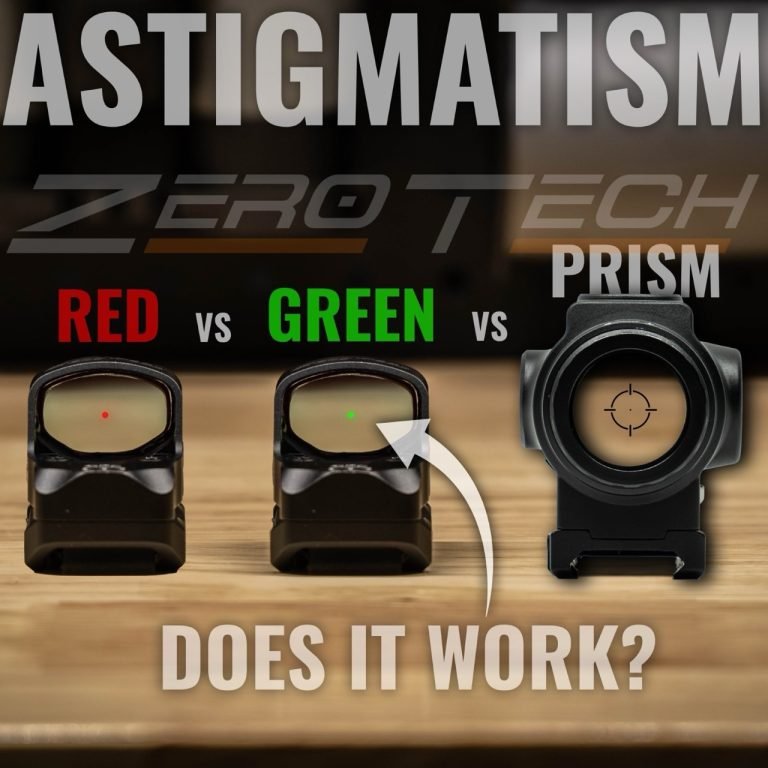
Suitability for Shooters with Astigmatism 1X Prism scopes are particularly advantageous for shooters with astigmatism. In traditional red dot sights, the projected dot can appear blurry or distorted for those with astigmatism, making precise aiming difficult. However, because prism scopes use an etched reticle that is permanently engraved on the glass, the reticle remains sharp and clear, offering a consistent and precise aiming point. This feature makes prism scopes an excellent choice for shooters who struggle with the clarity of red dots.
Versatility in Application Prism scopes are exceptionally versatile, making them suitable for many shooting applications:
Short to Medium Range Precision: Prism scopes, especially those with 1x magnification, are ideal for quick target acquisition at short distances while still providing the precision needed for medium-range engagements. This makes them an excellent choice for both tactical applications and hunting.
Adaptability to Different Firearms: The compact size and robust design of prism scopes make them adaptable to a variety of firearms, from AR’s to traditional hunting rifles. This versatility allows you to use the same optic across multiple platforms, improving proficiency and familiarity with your optic.
Enhanced Target Acquisition: The combination of a wide field of view and a detailed etched reticle ensures faster target acquisition and tracking, which is particularly beneficial in dynamic shooting scenarios.
4. Considerations and Drawbacks
- What Are The Drawbacks of Using a Prism Scope?
While 1x prism scopes offer many advantages, such as durability, precision, and suitability for those with astigmatism, they also come with certain drawbacks that should be considered before making a purchase. Understanding these limitations can help you make a more informed decision and ensure that a prism scope aligns with your specific shooting needs. Eye Relief Considerations One of the primary drawbacks of using a 1x prism scope is the issue of eye relief. Unlike red dot sights, which typically offer unlimited eye relief, the eye relief on prism scopes can vary greatly depending on the specific optical design.
Limited Eye Relief: Prism scopes generally require the shooter’s eye to be at a specific distance from the optic to achieve a clear sight picture. This can present a challenge when mounting to firearm platforms that lack the adjustability of AR style rifles.
Impact on Use Case: The shorter eye relief can also limit the versatility of the prism scope across different firearms. For example, on firearms with a longer length of pull, achieving the proper eye relief might be difficult, which could hinder your ability to achieve a perfect sight picture.
Heavier Compared to Red Dot Sights Another significant drawback of 1x prism scopes is their weight. Due to the internal prism system and the additional materials required for durability, prism scopes tend to be heavier than traditional red dot reflex sights.
Increased Weight: The additional weight can be a disadvantage, particularly for shooters who prioritize a lightweight setup. The heavier unit may also affect the balance of your firearm. Depending on your firearm type, the additional weight could be an advantage or a disadvantage.
Impact on Portability: For hunters or tactical shooters who need to carry their firearms over long distances, any increase in weight needs to be carefully scrutinized. This is especially true in scenarios such as in backcountry hunting.
Learning Curve and Adjustment Transitioning to a 1x prism scope from a traditional red dot sight or other optic can require a period of adjustment. Users will need to learn and adapt to the new style of optic.
New Optical Experience: The fixed eye relief, etched reticle, and the way the prism manipulates light can all present a new optical experience that differs from what many shooters are used to with red dot sights. This might take some getting used to.
Adjustment Period: Depending on the shooter’s experience level and familiarity with different types of optics, the adjustment period can vary. This learning curve may be seen as a drawback, particularly for those who need to be immediately proficient with their optic in high-pressure situations.
5. Choosing the Right Prism Scope
- Who Should Use a Prism Scope?
When it comes to selecting the right optic, there isn’t a one-size-fits-all solution. Prism scopes, particularly 1x models, offer a unique set of features and benefits that can appeal to a wide range of shooters. However, whether a prism scope is the right choice for you depends on several factors, including your shooting style, environmental factors, and personal preferences.
Versatile Application Across Shooting Styles Prism scopes are highly versatile and can be adapted to a variety of shooting applications. Their compact design, durability, and precision make them suitable for everything from tactical shooting, hunting and even recreational target practice. Whether you’re a competitive shooter who values precision or a hunter who needs a robust optic in rugged terrain, a prism scope could serve your needs well.
Adaptability to Different Firearms Prism scopes are designed to work with a wide range of firearms, from AR platforms and shotguns to traditional hunting rifles. Their versatility lies not only in their ability to deliver clear, precise sight pictures with an etched reticle—regardless of battery power—but also in their various mounting options and heights. These scopes can be mounted at different heights to accommodate the specific needs of the firearm and the shooter, ensuring a comfortable shooting experience. When selecting a prism scope, it’s crucial to consider how the scope’s features align with your specific firearm. Factors such as eye relief, weight, and mounting height can greatly influence the scope’s performance and usability. For instance, the eye relief might vary across different brands, affecting how comfortably you can position your eye relative to the scope. Additionally, the weight of the scope can impact the balance of your firearm, especially in dynamic shooting scenarios. Mounting height is another critical consideration. Some prism scopes come with multiple mounting options, allowing you to choose a setup that best suits your shooting style and the type of firearm you’re using. Whether you need a low mount for a more streamlined profile or a higher mount to clear other accessories on your firearm, the adaptability of a prism scope makes it a flexible choice for various shooting environments and applications.
Environmental Considerations The choice of optics can be heavily influenced by the environment in which you shoot. For example, in dense forests where short-range engagements are common, a 1x prism scope can provide quick target acquisition and durability. Conversely, in open terrains where long-range shots are more frequent, shooters might prefer a scope with higher magnification.
Final Considerations: There is no definitive answer to whether a prism scope is the best choice for your firearm set up. The wide array of shooting styles, environmental conditions, and firearm types means that the right optic can vary greatly from one individual to another. For those who prioritize robustness, precision, and versatility, a prism scope is certainly worth considering as part of their overall shooting setup.
6. Conclusion
- Conclusion & Final Thoughts
Prism scopes offer a unique blend of durability, precision, and versatility, making them an attractive option for a wide range of shooters. Whether you’re involved in tactical operations, hunting, or recreational shooting, the advantages of a prism scope—such as its etched reticle, robust construction, and adaptability to various firearms—can greatly enhance your shooting experience. We’ve explored how prism scopes work, highlighting the benefits of their compact design, detailed reticle, and suitability for those with astigmatism. We also touched on some potential drawbacks, including the importance of eye relief, the added weight compared to red dot sights, and the learning curve associated with adjusting to a new optical system. One of the key strengths of prism scopes is their adaptability. With various mounting options and heights available, these scopes can be tailored to fit different firearms and shooting styles, ensuring a comfortable and satisfying shooting experience. However, it’s essential to consider how these factors align with your specific needs and preferences. Ultimately, the decision to use a prism scope comes down to what you value most in an optic. By carefully evaluating the benefits and considerations discussed, you can make an informed choice that enhances your overall enjoyment in the field. As the landscape of shooting continues to evolve, embracing new technologies like prism scopes can offer a significant edge, whether on the range or in the wild.